
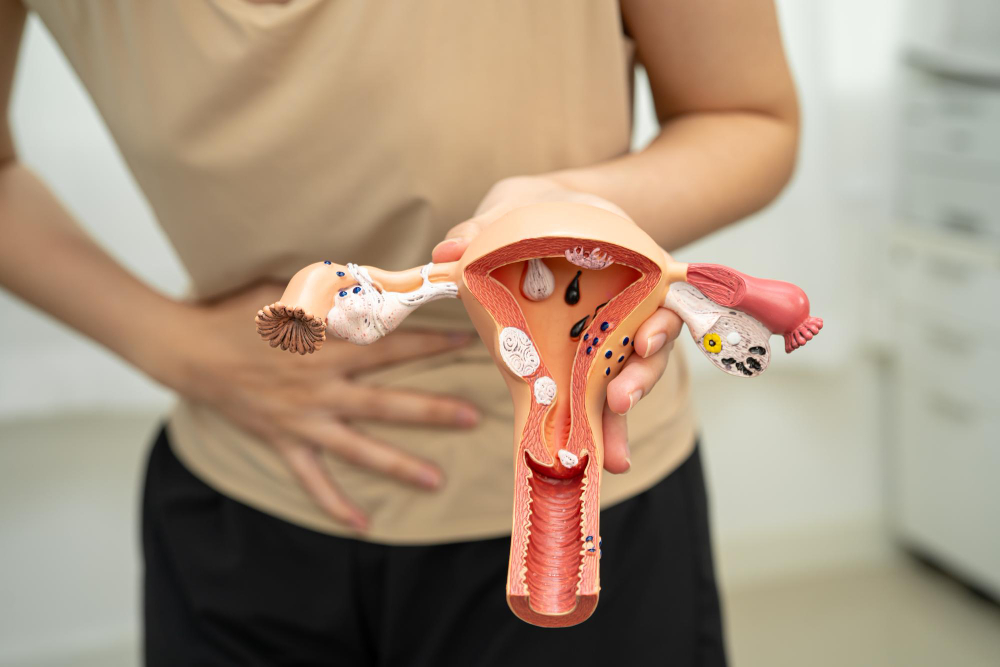
What Are Cervical Polyps?
Cervical polyps are small, soft growths on the cervix. The cervix is the lower part of the uterus that opens into the vagina. These polyps are usually non-cancerous. However, they can cause discomfort or bleeding. Studies show that cervical polyps are common, especially in women over 40. Although most polyps are harmless, it is important to monitor any symptoms.
Common Symptoms and Causes of Cervical Polyps
Many women with cervical polyps do not notice any symptoms. Still, some may experience:
Although the exact cause is not always clear, several factors may play a role. For example, chronic inflammation, infections, or hormonal changes can lead to polyps. In some cases, high estrogen levels may also contribute.
Understanding Homeopathy and Its Principles
Homeopathy is a natural system of medicine. It uses very small doses of natural substances to help the body heal itself. The main idea is “like cures like.” This means a substance that causes symptoms in a healthy person may help treat those symptoms in someone who is sick. Homeopathy looks at the whole person, not just the disease. Therefore, it is often called a holistic approach.
Homeopathic Remedies for Cervical Polyps
Many people seek homeopathy for cervical polyps as a gentle, natural remedy. Some commonly used homeopathic medicines include:
However, a homeopath will select remedies based on your unique symptoms and health history. For best results, always consult a qualified practitioner.
How Homeopathy Approaches Diagnosis and Treatment
Homeopathy for cervical polyps starts with a detailed consultation. The homeopath will ask about your symptoms, lifestyle, and emotional health. Next, they choose a remedy that matches your overall picture. Unlike some treatments, homeopathy does not remove the polyp directly. Instead, it aims to balance the body and support natural healing. Regular follow-ups help track progress and adjust remedies as needed.
Safety, Effectiveness, and Limitations of Homeopathic Treatment
Homeopathic remedies are usually safe when taken as directed. They are made from natural sources and are highly diluted. For many, side effects are rare. However, scientific studies on homeopathy for cervical polyps are limited. The World Health Organization (WHO) and Centers for Disease Control and Prevention (CDC) recommend using homeopathy as a complementary therapy, not a replacement for medical care. Therefore, it is important to work with both your doctor and a qualified homeopath.
Lifestyle and Self-Care Tips for Women with Cervical Polyps
Besides homeopathic treatment, healthy habits can support your well-being. For example:
Additionally, regular check-ups help catch any changes early.
Prevention Strategies
While not all cervical polyps can be prevented, some steps may lower your risk. For instance:
Early detection is key to managing cervical health.
When to Consult a Healthcare Professional
If you notice unusual bleeding, discharge, or pelvic pain, seek medical advice. Even though most cervical polyps are harmless, only a doctor can confirm the diagnosis. Sometimes, polyps need to be removed or checked for cancer. Therefore, always consult a qualified homeopathic practitioner or gynecologist at Homoeocare for personalized advice on cervical polyps.